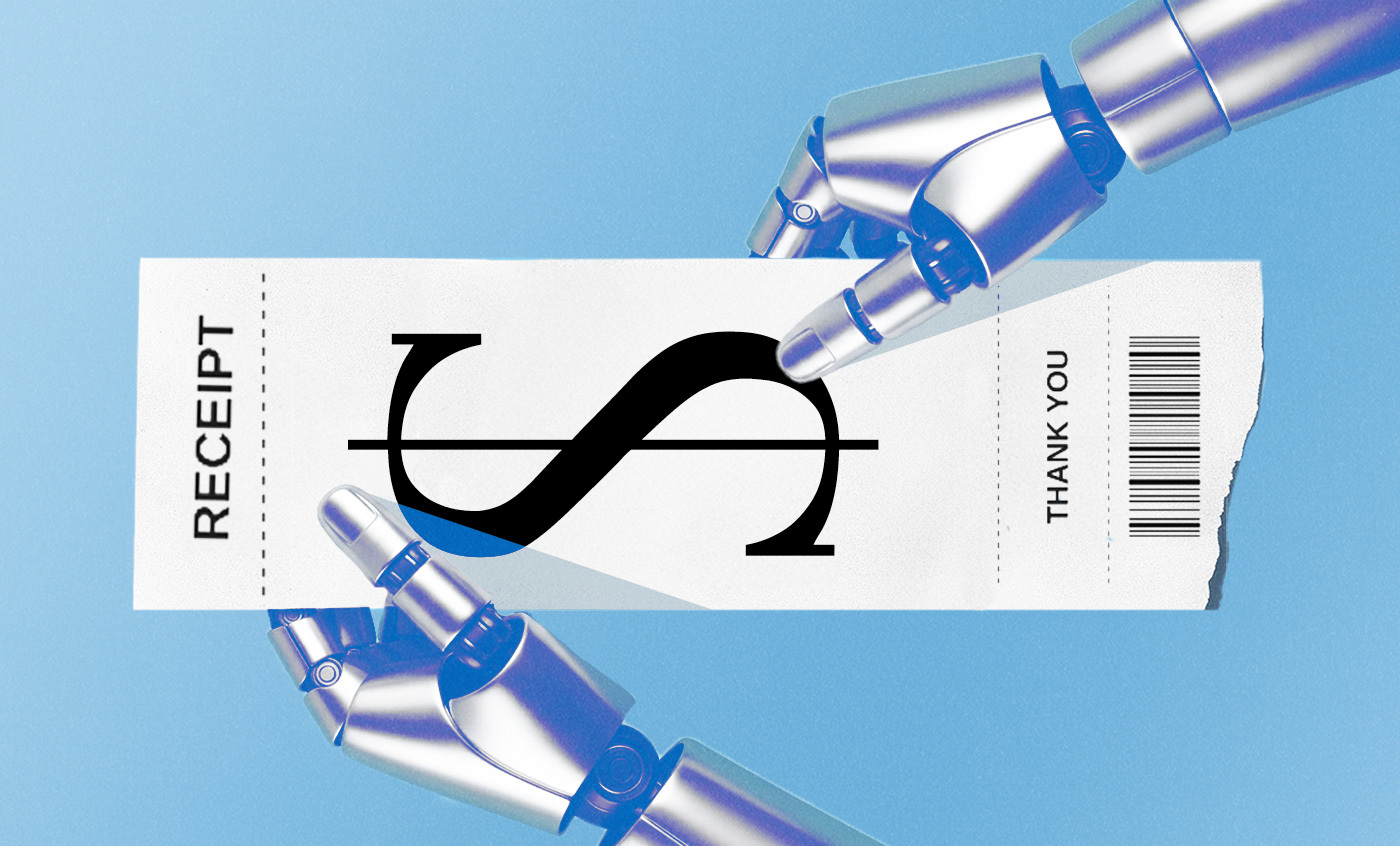
As the retail industry continues to evolve with technological advancements, the competition among AI shopping agents is set to intensify dramatically in 2026. These intelligent systems are transforming how consumers shop online, offering personalized recommendations, seamless checkout experiences, and real-time assistance.
Major technology companies and retail giants are investing heavily in developing sophisticated AI shopping agents to gain a competitive edge. These agents utilize machine learning algorithms to analyze vast amounts of data, including user preferences, browsing history, and purchase patterns, to deliver highly tailored shopping experiences.
One of the key drivers behind this surge is the increasing demand for convenience and personalization from consumers. As shoppers seek faster, more efficient ways to find products and complete transactions, AI-powered agents are becoming indispensable tools. They can predict what a customer might want next, suggest complementary products, and even handle complex queries without human intervention.
Furthermore, the integration of voice recognition technology and natural language processing is making these AI shopping agents more intuitive and user-friendly. Consumers can now interact with their virtual shopping assistants through voice commands, making the shopping process more natural and accessible.
However, this rapid development also raises concerns about data privacy and security. Companies are under pressure to ensure that consumer data is protected while still leveraging it to improve AI recommendations. Regulatory frameworks are expected to tighten, which could influence how these AI systems are designed and deployed.
In addition to consumer-facing applications, AI shopping agents are also transforming backend operations. Retailers are using these systems to optimize inventory management, pricing strategies, and supply chain logistics, leading to more efficient and cost-effective business models.
By 2026, the landscape of AI shopping agents is projected to be highly competitive, with innovations emerging rapidly. Companies that can effectively balance personalization, privacy, and operational efficiency will likely dominate the market. This evolution will not only change how consumers shop but also redefine the future of retail as a whole.